

If joint or bone pain is slowing you down, choosing the right orthopedic doctor becomes very important. Many people search for new orleans orthopedic specialists because they want clear answers, trusted care, and easy ways to book a visit. This guide walks you through how to pick the right specialist, what treatments are available, and what to expect from your first appointment to full recovery.
While the focus here is on the New Orleans area, the basic steps apply anywhere. You will learn how to compare doctors, understand common procedures like knee and hip treatment, and get ready for a positive, stress-free experience. Think of this as a simple roadmap to help you move without pain again.
Why Choosing a Local Orthopedic Specialist Matters
Seeing local orthopedic experts has many benefits. First, follow-up visits are much easier when your clinic is close to home or work. You spend less time traveling and more time actually healing.
Second, local specialists understand community lifestyles. For example, someone who treats many active adults or workers in a busy city knows how to tailor recovery plans to real life. They also know which nearby physical therapy centers and diagnostic labs provide quick, reliable service.
Third, it is easier to check reviews and ask around. Friends, family, and colleagues can share honest feedback about their experience with new orleans orthopedic specialists. This helps you feel confident before you even step into the clinic.
Common Conditions and Treatments in New Orleans Orthopedic Care
Orthopedic doctors treat a wide range of problems related to bones, joints, muscles, ligaments, and tendons. Here are some of the most common issues and how they are handled.
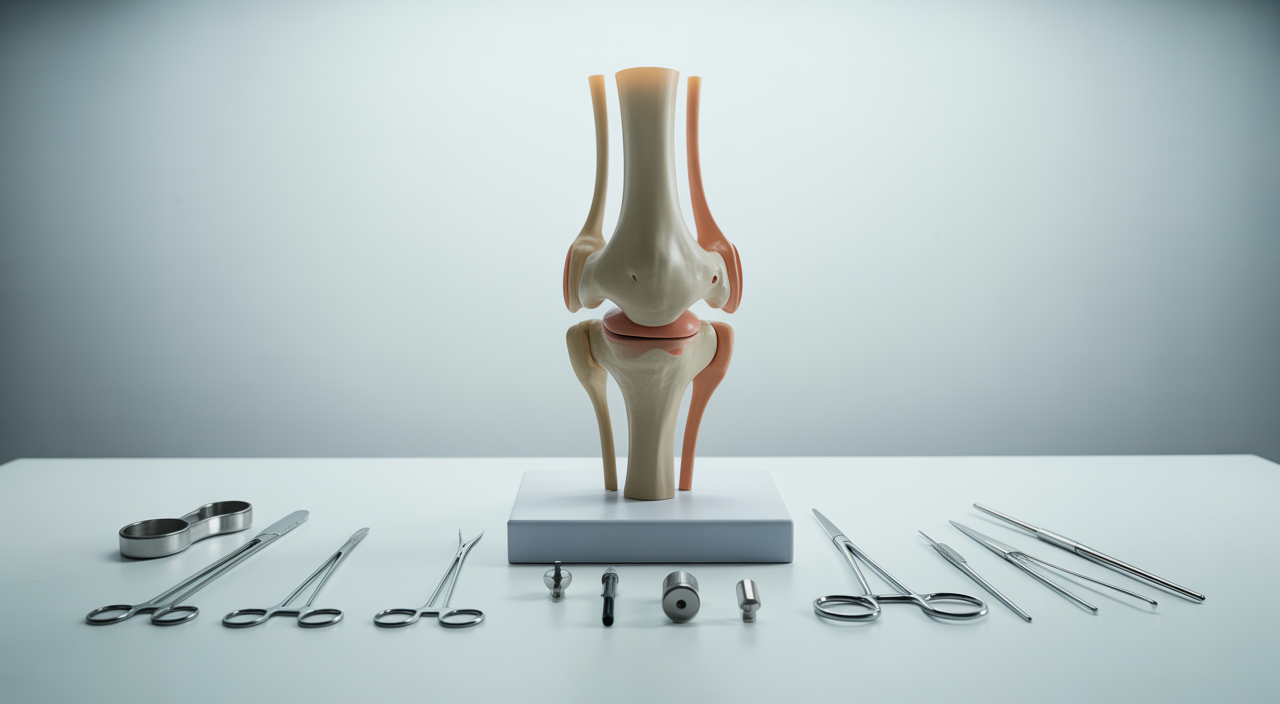
Knee Pain and Knee Replacement in New Orleans
Knee pain is one of the top reasons people visit a joint pain specialist. It may come from arthritis, sports injuries, or daily wear and tear. Mild cases often improve with rest, medication, and targeted exercises.
When pain is severe and long-lasting, knee replacement surgery may be suggested. In this procedure, the damaged part of the knee joint is replaced with smooth, artificial parts to restore movement. Many patients who undergo knee replacement in New Orleans return to walking comfortably and even light sports with proper rehab.
Hip Pain and Hip Arthroscopy
Hip pain can make climbing stairs, sitting cross-legged, or walking long distances very difficult. Conditions like arthritis or small tears in the cartilage are common causes. Early treatment often includes lifestyle changes, weight management, and gentle strengthening exercises.
For problems inside the joint, doctors may suggest hip arthroscopy, a minimally invasive procedure. Through tiny cuts, the surgeon uses a small camera and tools to repair damage. This usually means smaller scars, shorter hospital stays, and a quicker return to daily activities compared to open surgery.
Shoulder Injuries and Rotator Cuff Repair
Shoulder problems are frequent in both athletes and working professionals. Lifting heavy objects, repetitive overhead work, or a sudden fall can injure the rotator cuff, which is a group of muscles and tendons around the shoulder joint.
Symptoms include pain when lifting the arm, weakness, and trouble sleeping on the affected side. Treatment may start with rest, physical therapy, and injections. If the tear is large or does not improve, a rotator cuff repair surgery may be needed to restore strength and movement.
Sports Medicine and Care for Younger Patients
Many families also look for sports medicine and pediatric orthopedic services. A sports medicine doctor focuses on injuries from games, exercise, and active hobbies. Children and teens may face growth-related problems, ligament injuries, or fractures that need gentle but expert care.
Specialists trained in these areas build treatment plans that protect growing bones, prevent future injuries, and help young people return safely to the playground or sports field.
What to Expect: From First Consultation to Full Recovery
Knowing the process helps you stay relaxed and positive. Here is a simple step-by-step view.
- Initial consultation: The doctor listens to your symptoms, medical history, and lifestyle needs. They may check your movement, strength, and pain level.
- Diagnosis: Tests like X-rays or MRI scans may be ordered to see inside the joint or bone. This confirms what is causing your pain.
- Treatment plan: You receive a clear plan that may include medication, physical therapy, lifestyle changes, or surgery if needed. Ask questions until you feel comfortable.
- Procedure (if required): For surgery, the team will explain preparation steps, anesthesia, and expected hospital stay. Many modern surgeries use minimally invasive techniques for faster healing.
- Rehabilitation: After treatment, exercises and regular follow-ups are key. This is where discipline pays off, helping you regain strength and flexibility.
For a deeper look at how medical technology supports patient care and follow-up, you can read about using technology to enhance radiology patient engagement. It shows how digital tools make diagnosis and communication smoother.
How to Compare New Orleans Orthopedic Specialists
Not all clinics are the same, so it helps to compare a few options before deciding. Here are key points to check.
- Experience and focus: Look for doctors who handle your specific issue often, such as knee replacement, spine care, or sports injuries.
- Credentials: Training, years of practice, and memberships in professional medical bodies show strong background and commitment.
- Communication style: A good specialist explains things in simple language, listens to your concerns, and offers realistic expectations.
- Rehabilitation support: Ask if they work closely with local physical therapy centers and provide clear home exercise plans.
It is also helpful to check online reviews, clinic photos, and any patient stories shared on their website. Some centers share detailed guides, similar to this article on New Orleans tendonitis relief and treatment options, which shows their focus on patient education.
Tips for Indian Investors and NRIs Seeking Treatment in New Orleans
Many Indian investors and professionals travel often or even live part-time in the United States. If you are planning orthopedic care during a visit to New Orleans, a little preparation helps a lot.
- Review your health insurance: Check if your international or travel plan covers treatment in the US and what share you need to pay yourself.
- Plan around your work and travel schedule: Ask the clinic about the typical recovery period before long flights, meetings, or site visits.
- Keep medical records handy: Carry previous X-rays, MRI reports, and prescription history. This saves time and avoids repeating tests.
- Ask for written plans: Request printed or emailed instructions for post-treatment care so you can follow them even after you return to India.
For long-term planners, good orthopedic health also supports your ability to manage business, visit properties, and stay active in the market over many years.
Frequently Asked Questions
Q1: When should I see an orthopedic specialist instead of a general doctor?
Answer: You should consider an orthopedic specialist if joint or bone pain lasts more than a few weeks, keeps coming back, or affects daily tasks like walking, climbing stairs, or lifting objects. Sudden injuries with swelling, deformity, or inability to move a limb also need quick orthopedic attention.
Q2: Are all joint problems treated with surgery?
Answer: No, many joint problems improve with non-surgical care such as medication, physical therapy, weight management, and simple lifestyle changes. Surgery is usually suggested only when pain is severe, long-lasting, or when scans show damage that cannot heal with conservative treatment alone.
Q3: How can I prepare for my first visit to a New Orleans orthopedic clinic?
Answer: Write down your symptoms, when they started, and what makes them better or worse. Carry any old reports, a list of current medicines, and a note of your medical history. Also prepare a small list of questions about treatment options, recovery time, and how it may affect your work or travel plans.