
What should you know before buying safe room doors?
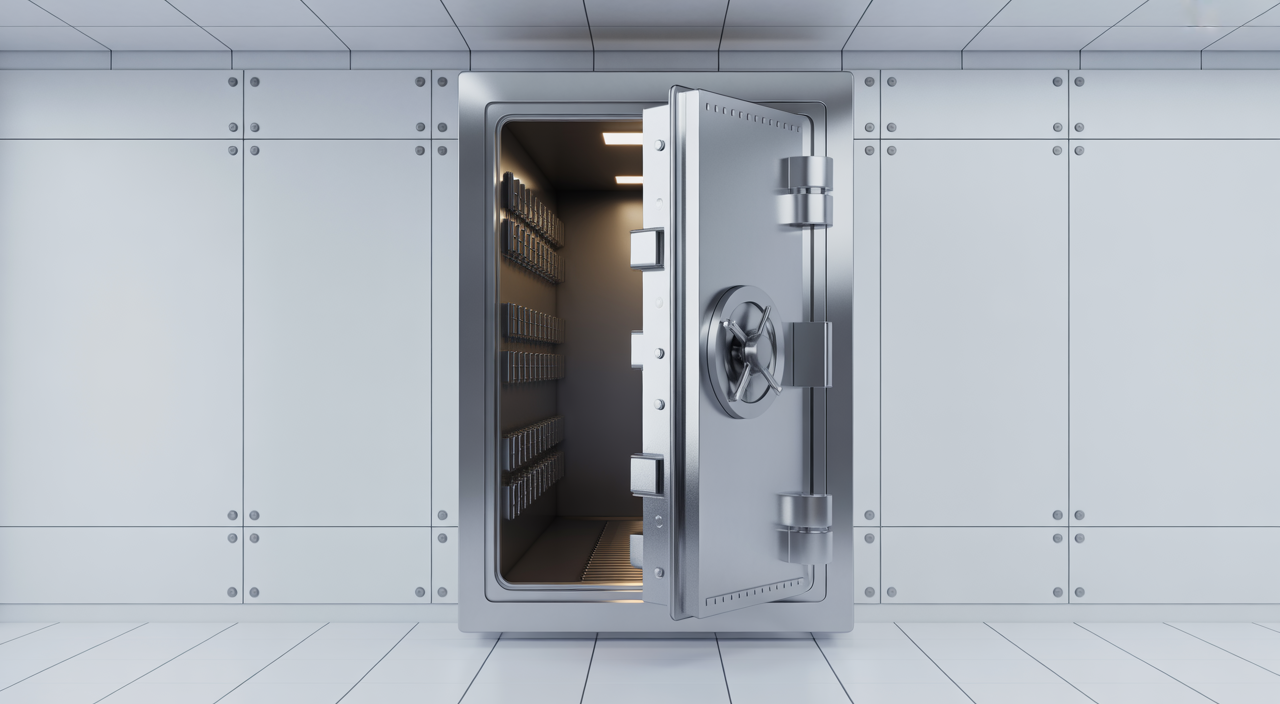
If you are planning a high security room for your home or office, the door is the most important part. Strong walls are useful, but without a certified door, the room cannot truly protect you. Modern safe room doors combine strong protection with attractive design, so your space can stay secure and still look elegant.
Many buyers feel confused by technical terms, global standards, and price ranges. Should you pick bullet resistant doors, storm shelter doors, or a dual purpose solution? This guide breaks everything into simple points, so you can compare options and choose with confidence.
Whether you are securing a luxury apartment, a family home, or a small office, the right door can increase safety, privacy, and property value at the same time.
Why invest in a safe room door?
A safe room is a controlled space where you and your family can stay protected during emergencies. This may include attempted break ins, civil unrest, or extreme weather. The door controls who can enter, how long the room can resist attack, and how secure you feel inside.
Good safe room doors also help you meet building standards and insurance requirements in many regions. When combined with cameras, alarms, and motion sensors, they become the centre of your physical security system.
Types of safe room doors
Safe room solutions fall into three broad groups. Knowing these will help you shortlist the right model faster.
Bullet resistant doors
These doors are built to resist gunfire up to specific levels. Global standards usually refer to these as ballistic ratings. Higher levels mean the door can stop stronger weapons and more rounds.
Key points to check:
- Ballistic level: Ensure the rating matches the risk level in your area.
- Core material: Often a mix of hardened steel and composite layers.
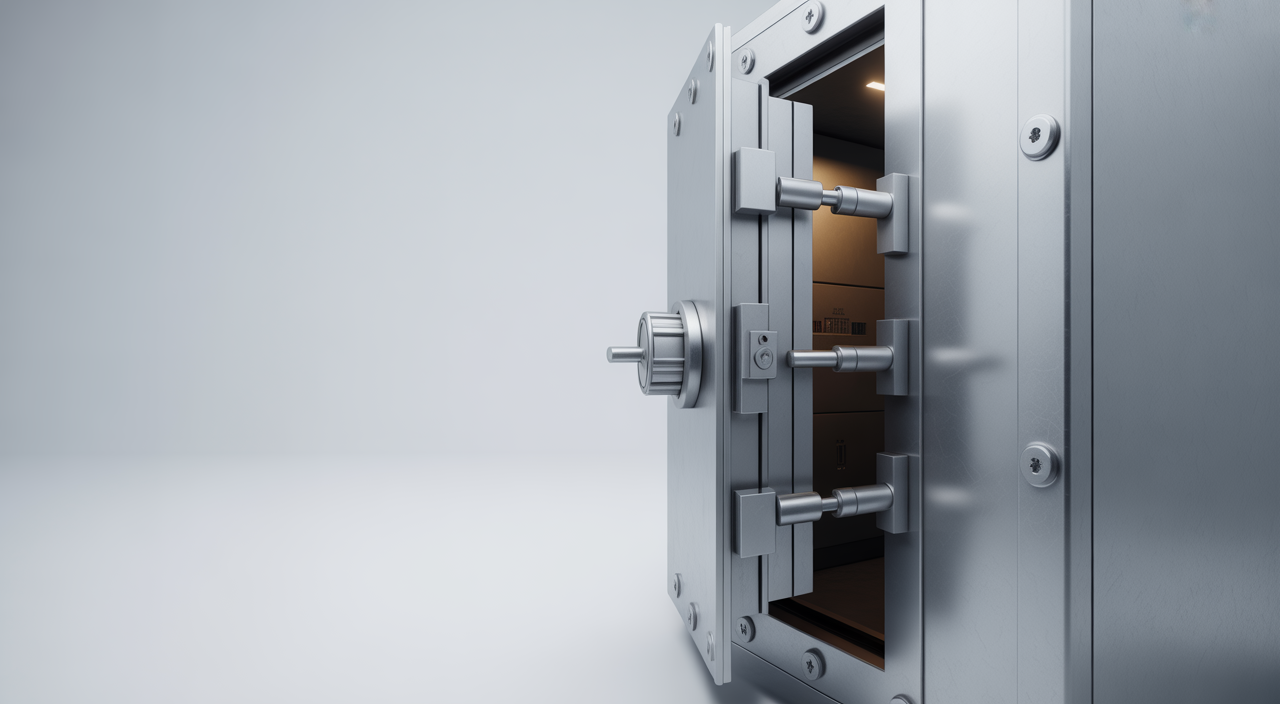
- Lock system: Multi point locks spread force across the frame for extra strength.
Storm and tornado rated doors
Storm shelter doors focus on wind and impact resistance. They are designed to handle flying debris and high pressure created during cyclones and similar events.
Look for:
- Wind load rating: This tells you how much pressure the door can handle.
- Impact testing: Certified doors are tested with heavy projectiles at high speed.
- Sealing: Good weather seals reduce water and dust entry.
Dual purpose armored doors
Some premium models are tested both for ballistic resistance and for strong wind and impact. These are ideal when you want one solution for both crime risk and severe weather.
They typically use robust steel, complex locking systems, and advanced hinges that can carry high weight without sagging over time.
How much do safe room doors cost?
Prices vary widely, but you can understand them by breaking costs into three parts: material and rating, size and design, and installation.
Material and rating cost breakdown
- Entry level steel doors: Suitable for basic security rooms with simple locks and lower thickness.
- Mid range armored entry doors: Thicker steel, better ballistic ratings, improved hardware.
- High end custom doors: Top level ballistic and storm ratings, advanced finishes, and hidden hinges.
Higher ratings and complex cores require more material and specialised production, so they cost more. However, they also provide longer service life and better peace of mind.
Labour and installation fees
Even the strongest door fails if installed poorly. A skilled installer will reinforce the frame, use high grade anchors, and make sure the wall and door work as one unit.
Installation costs are affected by:
- Whether it is a new building or a retrofit
- Wall material such as concrete, brick, or block
- Weight of the door and need for extra support
Simple way to view return on investment
For Indian investors and homeowners, the value comes from both safety and financial returns. A well designed safe room can:
- Attract premium tenants for luxury properties
- Increase resale value by offering high security features
- Lower long term maintenance due to strong, durable construction
When you compare costs, think in terms of cost per year across the expected life of the door rather than the upfront price only.
Installing your safe room door
A clear plan ensures smooth installation and reliable performance.
Pre installation checklist
- Confirm exact opening size, including height, width, and wall thickness
- Check floor level and ensure there is no slope that will affect door swing
- Decide door swing direction based on emergency exit plans
- Ensure electrical points for lights, cameras, or access control are in place
Basic installation steps
- Prepare the wall and opening, removing loose material.
- Place the frame, check it is plumb and level, then fix with strong anchors.
- Hang the door, test movement, and adjust hinges if needed.
- Install lockset, handle, and any electronic access systems.
- Seal gaps with suitable material to improve sound and air control.
For high security doors, always use trained professionals rather than general carpenters. This reduces risk and protects your warranty.
Maintenance and regular checks
Safe room doors are low maintenance but should still be checked a few times a year.
- Test all locks and bolts for smooth operation
- Inspect hinges for wear and apply lubricant if needed
- Check seals and gaskets for cracks or gaps
- Review electronic systems like keypads and biometric readers
Designing for style and security
In premium homes, security should blend naturally with interior design. Modern manufacturers offer a wide range of panels, colours, and handles.
Options can include:
- Wood look finishes over armored cores
- Minimalist handles that hide heavy locking systems
- Flush designs that sit in line with wall panels
If you enjoy design focused content, you may also like this guide on transforming your space with fitted furnishings, which shows how function and style can work together.
Key points when choosing safe room doors
As you compare models, keep these practical tips in mind:
- Match the rating to your main threat, whether it is intrusion, firearms, or storms.
- Check that the frame, locking points, and hinges are as strong as the leaf.
- Ask about testing standards and certification documents.
- Review available finishes so the door fits your interiors.
- Confirm lead times, installation support, and after sales service.
For a broader look at how modern technology supports safety and comfort in daily life, you can explore this overview of the advantages of technology in the modern world.
FAQs about safe room doors
Q1. What rating should I choose for a home safe room door?
Start by assessing your main risk. For most city homes focused on burglary and basic ballistic threats, a mid level ballistic rating with a strong steel core and multi point lock is often suitable. If you also face severe storms, consider a door that has been tested for both ballistic and wind or impact resistance.
Q2. How long does installation usually take?
For a standard opening in a prepared wall, professional installers can usually complete fitting in one working day, including alignment and hardware. Complex retrofits, very heavy doors, or integration with access control systems may extend this to two days. Planning measurements and site preparation in advance helps keep timelines short.
Q3. Do safe room doors need power to work?
The basic mechanical lock and hinges do not need electricity, so the door will still protect you during power cuts. However, any electronic access system, camera, or alarm connected to the door will require power or a battery backup. Many owners use inverters or small backup systems to keep these features running during emergencies.
Q4. Can I upgrade an existing strong door instead of buying a new one?
You can sometimes add better locks or reinforce frames on an existing door, but this will not provide the same certified protection as a tested safe room door. If security and compliance are important, a factory built, fully tested door and frame set is usually the better long term investment.