
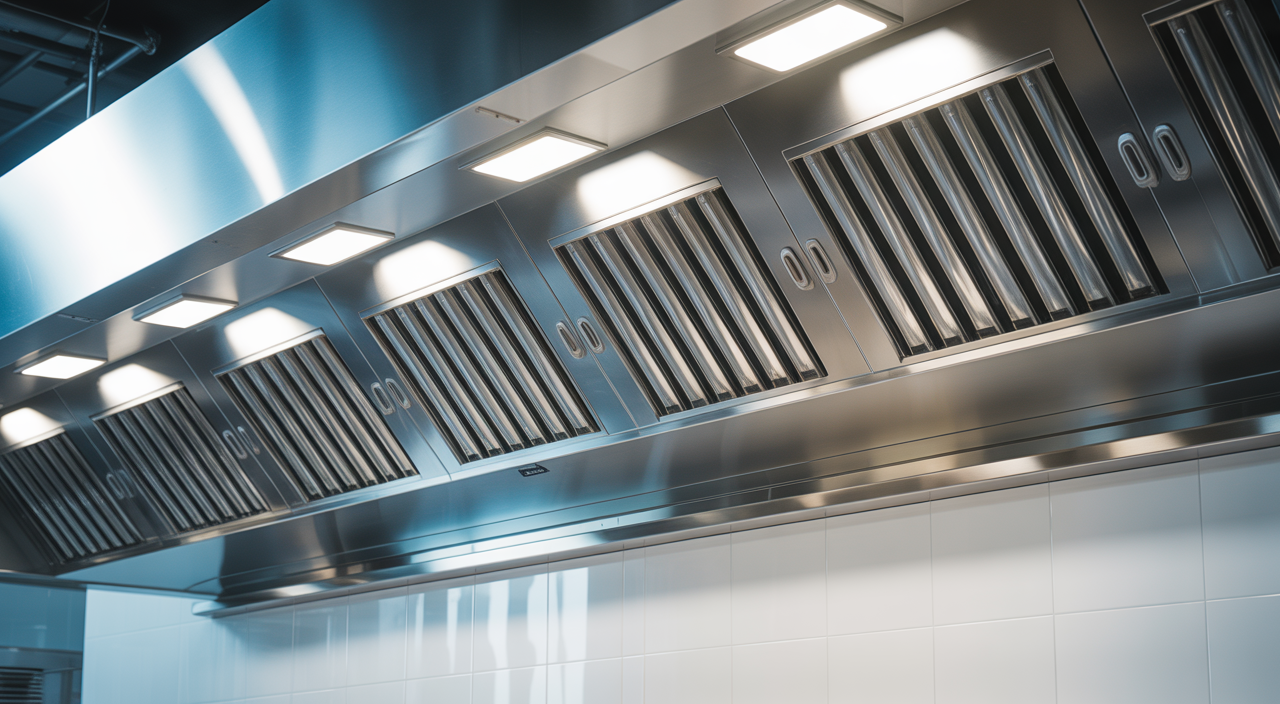
Does the heart of your restaurant, your kitchen, truly sparkle with safety? The enticing aroma of your cooking often hides a silent, growing danger. This danger is grease buildup within your kitchen’s exhaust system. It’s not just about how clean things look. It is about fire safety, following important rules, and keeping your business running smoothly. Professional restaurant hood cleaning service is a must for any commercial kitchen. It helps protect your staff, your customers, and your entire operation.
This guide will walk you through why proper hood cleaning is so important. We will explain what goes into a thorough cleaning. You will also learn how to choose the best service for your needs.
More Than Just Clean: The Critical Importance of Restaurant Hood Cleaning
Many restaurant owners see hood cleaning as just another chore. But it is much more than that. It is a vital part of protecting your business. Ignoring it can lead to serious problems.
Preventing Catastrophic Fires: The Real Risk of Grease Buildup
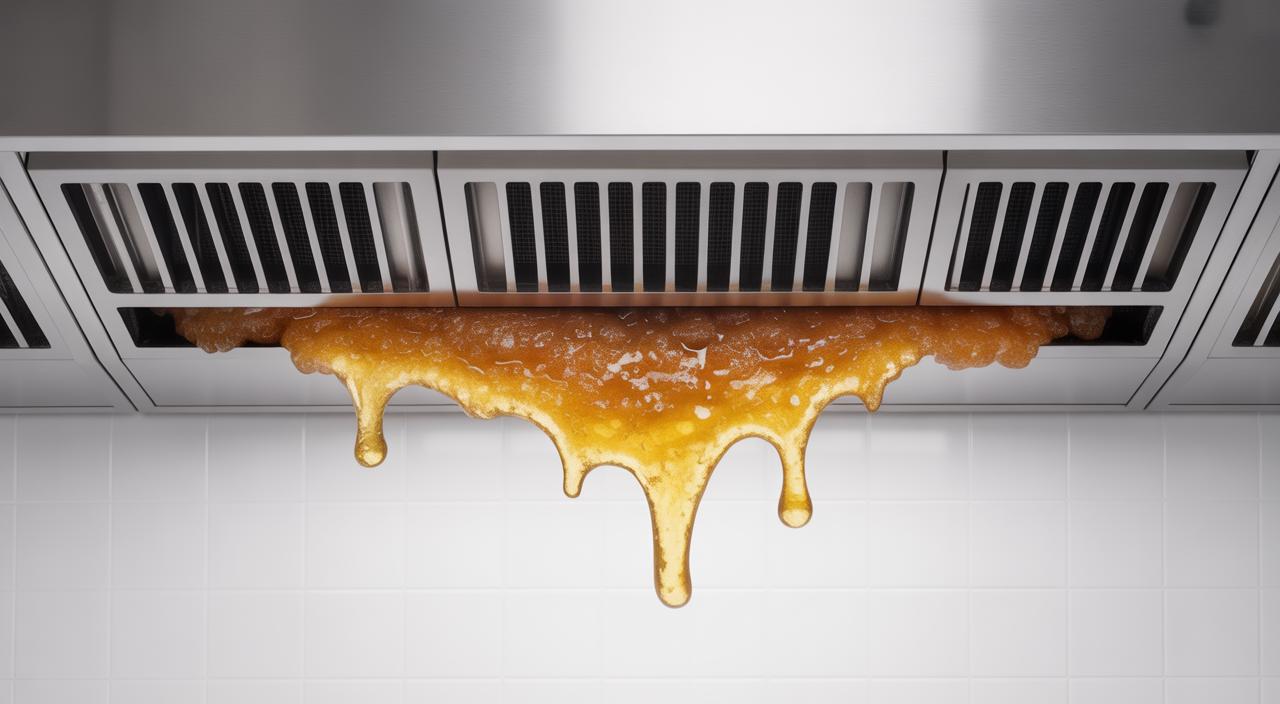
Grease is a natural part of cooking. It travels up through your exhaust hood and into the ducts. Over time, this grease sticks to the surfaces. It builds up into a thick, flammable layer. This grease acts like fuel. A small spark or high heat can turn it into a raging fire.Restaurant fires caused by grease are sadly common. They can cause huge property damage. They also risk injuries to staff and customers. Such fires can even lead to your business closing its doors for good. Regular cleaning removes this dangerous fuel. It significantly lowers your fire risk.
Ensuring NFPA 96 Compliance & Passing Inspections
Every commercial kitchen must follow specific safety standards. One of the most important is NFPA 96. This stands for the National Fire Protection Association’s Standard for Ventilation Control and Fire Protection of Commercial Cooking Operations. It sets the rules for how often your kitchen exhaust system needs to be cleaned.Failing to meet NFPA 96 standards can have tough results. You might face heavy fines. Your insurance could become void. In serious cases, fire marshals or health departments can shut down your restaurant. A certified cleaning service makes sure you meet these vital requirements. This gives you peace of mind during inspections.
Optimizing Kitchen Efficiency & Air Quality
A clean exhaust system works better. When grease builds up, your system has to work harder to pull smoke and heat out. This uses more energy and costs you money. Dirty systems also do not remove smoke and odors as well. This can make your kitchen uncomfortable for staff. It can also affect the dining experience for your guests.A clean system means cleaner air. It keeps your kitchen cooler. It also extends the life of your expensive kitchen equipment. This all adds up to a more efficient and pleasant workspace.
Understanding the Professional Hood Cleaning Process
A thorough restaurant hood cleaning service goes far beyond a simple wipe-down. It is a detailed and careful process. It needs special tools and trained experts.
The Anatomy of Your Exhaust System (and What Gets Cleaned)
Your kitchen exhaust system is a network of parts. All of them need cleaning.
- The Hood (Canopy): This is the visible part above your cooking equipment.
- Filters: These catch a lot of the initial grease. They need regular cleaning or replacement.
- Ductwork: These are the hidden pipes that carry smoke and grease to the outside. Grease buildup here is often the biggest fire risk.
- Exhaust Fan: This motor on the roof or within the system pulls air through the ducts. It also gets covered in grease.
- Access Panels: These openings in the ductwork allow cleaners to reach hidden areas. They must be properly installed and sealed.
A Step-by-Step Overview of a Professional Clean
Professional cleaners follow a strict method.
- Preparation and Safety: They cover all your kitchen equipment. This protects it from chemicals and water. They set up safety barriers.
- Degreasing and Scraping: Technicians remove built-up grease from the hood and filters. They use strong, safe degreasers and specialized scraping tools.
- Ductwork Cleaning: This is the most challenging part. Cleaners open access panels. They use brushes, scrapers, and high-pressure washing inside the ducts. This ensures all flammable grease is removed.
- Exhaust Fan Cleaning: The fan is taken apart and cleaned thoroughly. They often lubricate its motor to ensure smooth operation.
- Final Inspection and Documentation: The system is checked to ensure all areas are spotless. A report is made, often with before-and-after photos. This provides proof of service for inspectors.
How to Select a Reliable Restaurant Hood Cleaning Partner
Not all cleaning services are the same. Choosing the right one is key to your safety and compliance. Just like understanding the importance of professional industrial hygiene services for workplace safety, selecting a professional hood cleaning service safeguards your establishment. Here’s what to look for:
Certifications & Training
Look for companies whose technicians are certified. These certifications often come from industry bodies like IKECA (International Kitchen Exhaust Cleaning Association). This shows they have proper training in NFPA 96 standards.
Experience & Reputation
Choose a company with a proven track record. Check their online reviews. Ask for references from other restaurant owners. A strong reputation means they are reliable and deliver quality work.
Comprehensive Service Scope
Make sure the service cleans the *entire* exhaust system. This includes the hood, filters, ductwork, and exhaust fan. Some less thorough services might only clean the visible parts. This leaves dangerous grease hidden.
Insurance & Licensing
Ensure the company is fully insured and licensed. This protects your business from any damage or accidents that might happen during the cleaning process.
Documentation & Reporting
A professional service will give you a detailed report. This report should show what was cleaned. It might include photos. This documentation is crucial proof of service for fire marshals and health inspectors.
Setting Your Commercial Kitchen Hood Cleaning Schedule
How often you need your restaurant hood system cleaned depends on several factors. NFPA 96 provides clear guidelines.
NFPA 96 Guidelines for Cleaning Frequency
The standard suggests different cleaning frequencies based on your cooking style and volume:
- Monthly: For systems serving solid-fuel cooking operations (like wood or charcoal grills).
- Quarterly (Every 3 Months): For high-volume cooking operations, like 24-hour restaurants, charbroilers, or wok cooking.
- Semi-Annually (Every 6 Months): For moderate-volume operations.
- Annually (Every 12 Months): For low-volume operations, such as seasonal kitchens or ovens/steamers only.
Factors Affecting Your Specific Needs
Even within these guidelines, your specific restaurant’s needs can vary.
- Type of Cuisine: Greasier foods require more frequent cleaning.
- Volume of Cooking: A busy kitchen running all day needs more frequent service than one open only for lunch.
- Hours of Operation: 24/7 establishments naturally build up grease faster.
Discuss your kitchen’s specific operations with your cleaning provider. They can help you set the best schedule.
Maintaining Your System Between Professional Cleanings
Professional restaurant hood cleaning service is vital. But daily practices also make a big difference. These simple steps can help keep your system safer and more efficient between deep cleans.
Daily Filter Checks and Cleaning
Clean your hood filters daily. Remove them, wash them in hot, soapy water, or run them through a commercial dishwasher. Clean filters allow for better airflow and prevent grease from getting deeper into the system.
Exterior Hood Wiping
Wipe down the visible exterior of your hood every day. This prevents grease from hardening and making cleaning harder later. Use a good degreaser for the best results.
Promptly Addressing Any Operational Issues
Listen to your system. If you notice strange noises from the exhaust fan, reduced suction, or unusual odors, do not ignore them. Report issues immediately to your cleaning or maintenance provider. Catching small problems early can prevent bigger, more costly ones.
Your Trusted Partner for Professional Restaurant Hood Cleaning
Protecting your restaurant is a serious business. It demands consistent, professional care. Regular, thorough cleaning is not an expense. It is an investment in your business’s safety, efficiency, and longevity. It helps you avoid costly fires, heavy fines, and operational delays.By choosing a reputable restaurant hood cleaning service, you are choosing peace of mind. You are choosing a partner dedicated to your success and safety.
FAQs About Restaurant Hood Cleaning Service
What is NFPA 96, and why is it important for my restaurant?
NFPA 96 is a safety standard from the National Fire Protection Association. It provides rules for controlling ventilation and preventing fires in commercial kitchens. It tells you how often your kitchen’s exhaust system must be cleaned. Following NFPA 96 is crucial for preventing grease fires, passing fire and health inspections, and keeping your insurance valid. It is designed to keep your staff and customers safe.
How often should I get my restaurant hood cleaned?
The cleaning frequency depends on your cooking style and volume. NFPA 96 suggests: monthly for solid-fuel cooking (like charcoal grills), quarterly (every 3 months) for high-volume cooking, semi-annually (every 6 months) for moderate-volume kitchens, and annually (every 12 months) for low-volume operations. Your cleaning service can help you figure out the best schedule for your specific restaurant.
Can I clean my restaurant’s hood system myself?
While daily cleaning of visible surfaces and filters is recommended, a complete deep cleaning of the entire exhaust system should only be done by certified professionals. The hidden ductwork and exhaust fan require specialized tools, knowledge of NFPA 96 standards, and proper safety equipment. Attempting a full cleaning yourself is unsafe, often ineffective, and can leave your business non-compliant with fire codes. Professional services ensure a thorough, safe, and documented cleaning.