
What is a bespoke walk in wardrobe and is it worth it?
A bespoke walk in wardrobe is a custom-designed storage space built exactly for your room and your lifestyle. Instead of buying ready-made cupboards, you get a fitted system designed to use every inch of space. Shelves, hanging rails, drawers, shoe racks and lighting are all planned to suit you.
If you want a calm, clutter-free bedroom and a touch of luxury, a bespoke walk in wardrobe can be a smart investment. It looks premium, makes morning routines faster and can add value to your home. For many homeowners and Indian investors, it is also a way to lift rental appeal in high-end flats and villas.
This guide walks you through benefits, planning, design ideas, costs and key questions so you can move from “nice dream” to a clear project plan.
Why choose a bespoke walk in wardrobe?
Maximise storage and layout flexibility
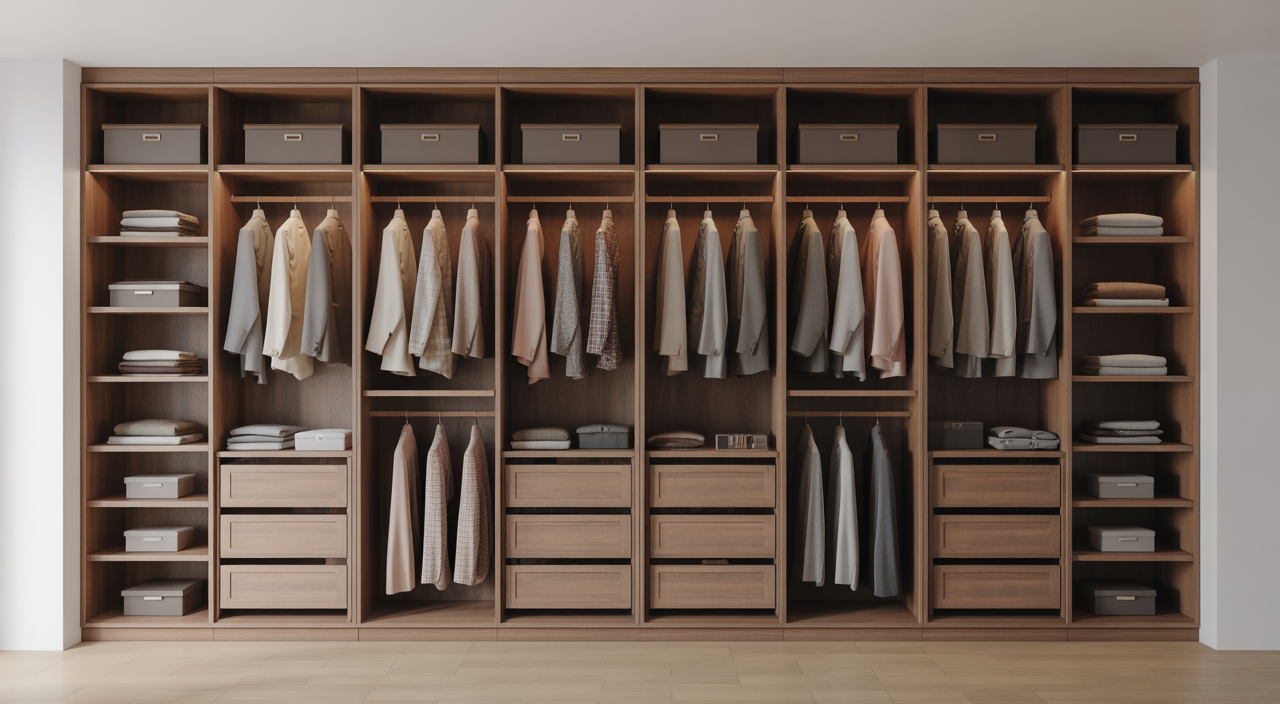
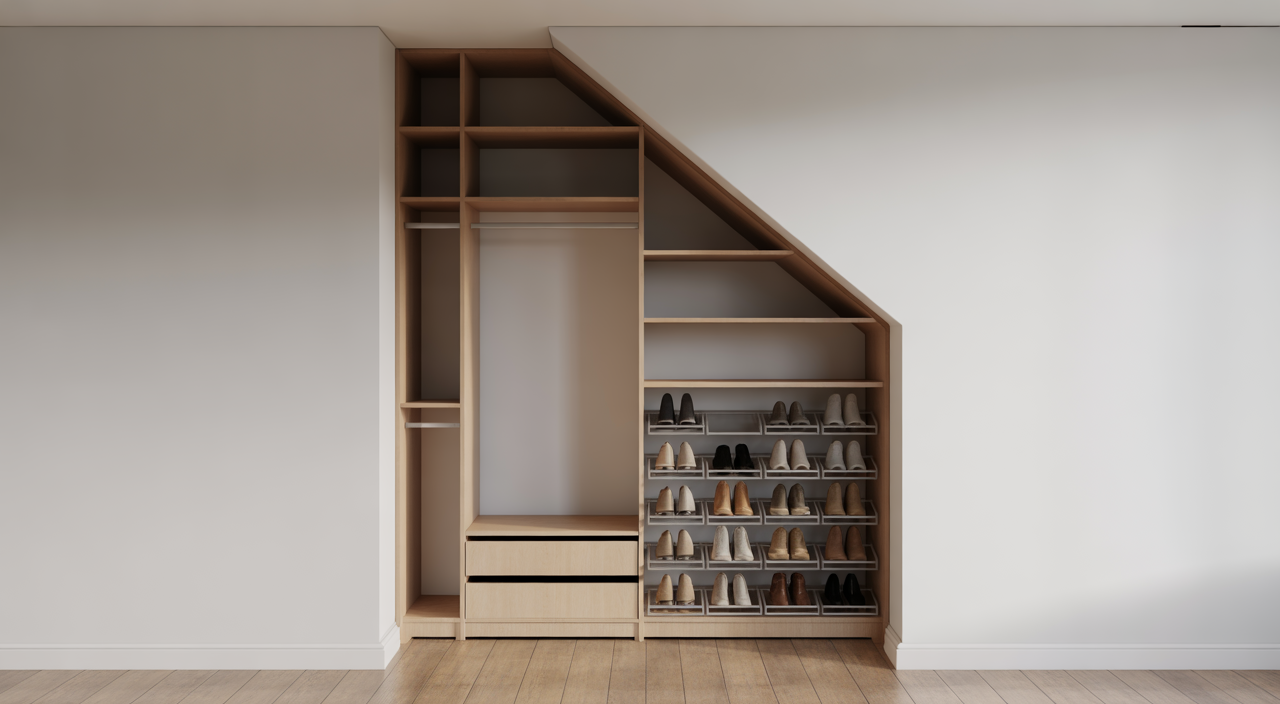
The biggest advantage of a custom walk in wardrobe is smart use of space. Standard cupboards often leave awkward gaps at the top or sides. A made-to-measure system can reach full height, turn corners and even run under sloping ceilings or along a passage.
You can mix different storage types such as double-hanging for shirts, long hanging for saris or gowns, deep drawers for folded clothes and pull-out trays for watches and jewellery. If you share the space, each person can have a section planned to their height and habits.
Tailored style, materials and finishes
With a fitted walk in closet, you choose the look. Love warm wood tones? Go for veneers or laminates in walnut or teak-style finishes. Prefer a modern feel? Choose matt colours, glass doors or metal accents. Handles, rails and lighting can match the rest of your home interiors.
This level of control makes it easy to align the dressing room design with the bedroom, flooring and even bathroom. The result feels like one continuous, well-planned suite rather than a random set of cupboards.
Long-term value and better ROI
A bespoke system typically costs more upfront than a basic ready-made wardrobe. But over time it often works out better value. You avoid replacing poor-quality pieces, and you get a layout that truly fits your needs, which means less wasted space and fewer extra storage units.
For Indian investors with premium properties, a high-quality walk in wardrobe can justify higher rent or improve resale value. It signals a well-finished home, similar to a modular kitchen or premium bathroom fittings.
Planning your bespoke walk in wardrobe
Step 1: Assess your space and storage needs
Start by measuring your room. Note ceiling height, window positions, doors, beams or columns. Even a small room can work as a walk in if planned carefully, especially with space-saving wardrobe solutions like sliding fronts or open shelves.
Then list what you need to store. For example:
- Number of shirts, trousers, sarees and dresses
- Shoes, bags and seasonal clothing
- Jewellery, watches and accessories
- Bedding and luggage
This simple exercise helps you decide how much hanging space versus drawers or shelves you actually need. Some people even use a quick “style and storage quiz” to guide decisions, similar to tools you see on fitted furniture planning guides.
Step 2: Set a realistic budget
Costs vary widely based on size, materials and hardware. In the UK, many homeowners think in terms of cost per running foot or per square metre. In India, you may hear rates quoted per square foot for shutters and carcass separately.
Key factors that affect price include:
- Material choice: Plywood with laminate is usually more economical than high-gloss finishes or solid wood.
- Hardware quality: Soft-close drawers, premium hinges and pull-out systems add comfort and cost.
- Interior fittings: Tie racks, pull-down hanging rods, glass drawers and organisers are useful add-ons.
For planning, set three numbers: a comfortable budget, a stretch budget for must-have upgrades and a clear limit you do not want to cross. This makes it easier to decide what to include now and what to add later.
Step 3: Timeline and project milestones
A typical design-to-installation journey for a custom walk in wardrobe might look like this:
- Initial consultation and measurements
- Design proposal with layout and finishes
- Final approval and advance payment
- Factory production of panels and components
- On-site installation and finishing touches
From first meeting to final handover, plan for a few weeks, depending on your provider’s schedule. When renovating or building, sync this with your electrician and painter so lighting, sockets and wall finishes are ready at the right time.
Design inspirations and layout styles
Small space and under-eaves walk ins
You do not need a huge room to enjoy a custom walk in wardrobe. A narrow room or box room can become a stylish dressing area with hanging on both sides and a mirror at the end. Under-eaves or attic spaces work well with low drawers and open shelves where ceiling height is limited.
Think of sliding baskets, compact shoe racks and single-depth hanging sections. With a bit of planning, even a long corridor can double as a walk in, with doors that blend into the wall.
Open-plan dressing rooms and islands
If you have more space, you can create a full dressing room next to the bedroom. Open shelves, display rails and a central island with drawers feel like a boutique. An island also gives a surface for folding clothes, placing accessories or keeping perfumes organised.
Glass fronts and internal lighting add a luxury dressing room design touch. They also help you see everything clearly, so you wear more of what you own instead of forgetting items at the back.
Luxury boutique-style displays
For a high-end look, focus on symmetry and clean lines. Use matching hangers, consistent shelf spacing and dedicated zones for shoes and bags. Integrated seating, a full-length mirror and soft lighting complete the experience.
This style works well in city penthouses and premium villas where the walk in wardrobe becomes a statement feature, not just a storage area.
Materials, hardware and lighting options
Choosing finishes
Your choice of material affects both look and lifespan. Popular options include:
- Laminates: Durable, affordable and available in many colours and textures.
- Veneers: Real wood finish with a rich feel, best with proper sealing and care.
- Glass and mirrors: Great for doors and panels to add depth and light.
For humid cities, check with your designer about moisture-resistant boards and proper ventilation to keep clothes fresh.
Smart hardware choices
Good hardware makes daily use smoother. Soft-close drawers avoid banging noises. Pull-out trouser racks, belt hooks and divided drawers keep everything in its place. Choose handles that feel comfortable and match your home’s style.
Lighting for a premium feel
Lighting turns a simple cupboard into a luxury dressing space. LED strips under shelves, spotlights for hanging areas and a warm overhead light make it easy to see colours and fabrics. Motion sensors are useful so lights come on automatically when you enter.
For more ideas on enhancing interiors with lighting and built-in designs, you can explore this overview of creative lighting solutions for display spaces.
How to choose the right provider
When selecting a company to build your custom walk in wardrobe, look for:
- Clear design process and 3D visuals or drawings
- Transparent pricing and itemised quotes
- Good hardware brands and material options
- Installation warranty and after-sales support
Ask to see previous projects similar to your room size and style. This helps you understand finish quality and attention to detail.
FAQs about bespoke walk in wardrobes
Q1: How much does a bespoke walk in wardrobe cost?
Cost depends on size, material and fittings. A simple layout with open shelves and basic hardware will be more affordable than a luxury design with glass, high-gloss finishes and advanced accessories. It is best to get a personalised quote based on your measurements and a rough list of requirements.
Q2: How long does installation usually take?
Once the design is approved and materials are ready, installation for an average-sized room often takes a few days. Larger, more complex dressing rooms may take longer, especially if there are many glass elements or on-site modifications.
Q3: Is a walk in wardrobe suitable for small apartments?
Yes. A corner of the bedroom, a study or even a wide passage can be converted into a compact walk in with sliding or open fronts. The key is careful planning and choosing space-saving built-in wardrobe ideas that suit your daily routine.
Q4: How can Indian investors benefit from adding a walk in wardrobe?
For rental or resale properties in the mid to premium segment, a well-planned custom closet storage area can set your listing apart. It signals thoughtful design, helps photos stand out and often appeals strongly to urban professionals and families looking for organised, modern living spaces.