
Why Export Quality Basmati Rice Matters So Much
Global demand for premium Indian basmati is rising every year. Buyers from the Middle East, Europe, North America, and Africa all want the same thing: consistent, reliable, fragrant rice that delights customers and protects margins. That is why understanding what really defines export quality basmati rice is so important before signing any long-term contract.
If you are a wholesaler, importer, or retail chain buyer, you are not just buying a commodity. You are buying stable quality, predictable cooking performance, and a trusted supply partner. A clear checklist makes it easier to compare offers, avoid surprises, and negotiate better.
This guide breaks down quality, certifications, export procedures, pricing, and logistics in simple terms so you can source with confidence, especially from Indian exporters.
What Defines “Export Quality” Basmati Rice?
At the top level, export grade basmati is about consistency. Every bag, every container, every shipment should look, smell, and cook the same. To reach that level, suppliers must control several basmati rice grading standards.
1. Grain length and shape
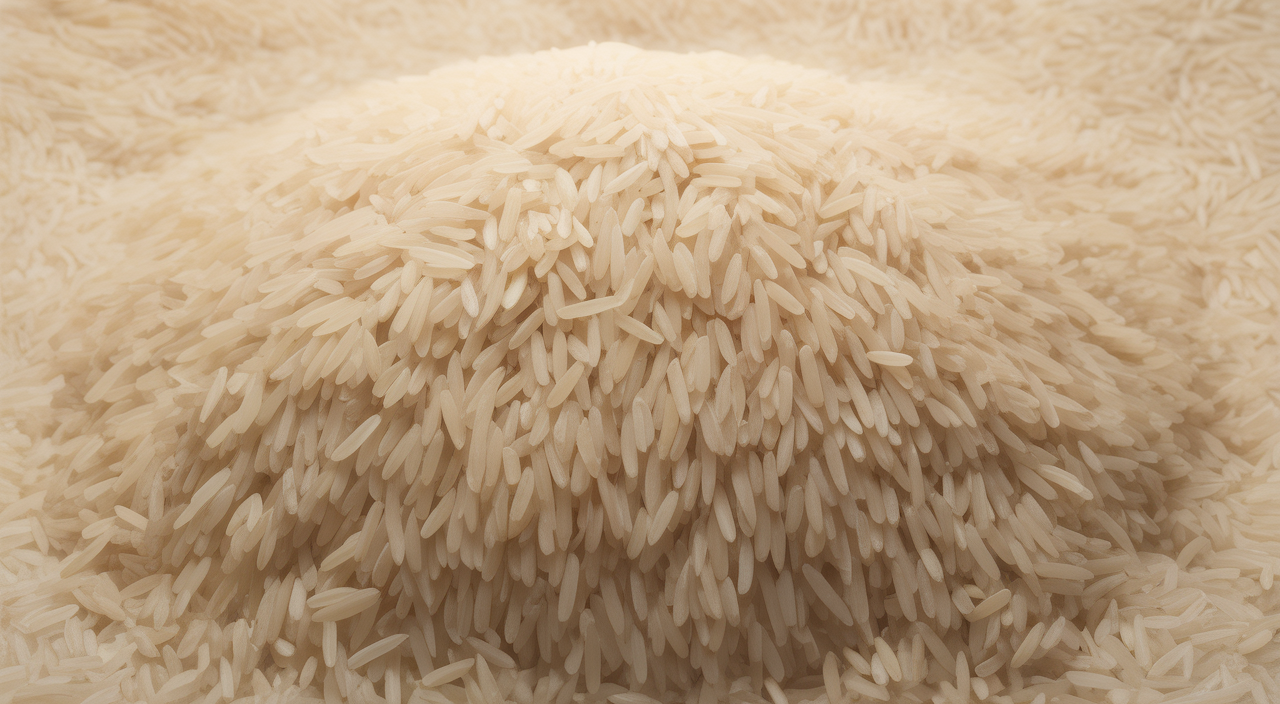
Exporters usually work with extra-long grain basmati. After cooking, grains should elongate nicely, stay separate, and not break easily. Uniform grain size is key because mixed sizes lead to uneven cooking and poor plate appearance in restaurants and retail packs.
2. Aroma and taste
Basmati is famous for its natural fragrance. True long grain export rice should release a gentle, nutty aroma when cooked. Aged basmati, stored for 1 to 2 years in controlled conditions, often has better aroma and a softer, fluffier texture.
3. Rice export quality parameters
Buyers should confirm:
- Broken percentage (lower is better, often under 2–5%)
- Moisture level (usually around 12–13% to protect shelf life)
- Minimal foreign matter or discolored grains
- Pesticide and heavy metal limits as per destination country rules
Key Certifications And Compliance To Look For
Certified basmati exporters invest in systems that protect food safety and traceability. As an international buyer, you can use these certificates as an easy first filter.
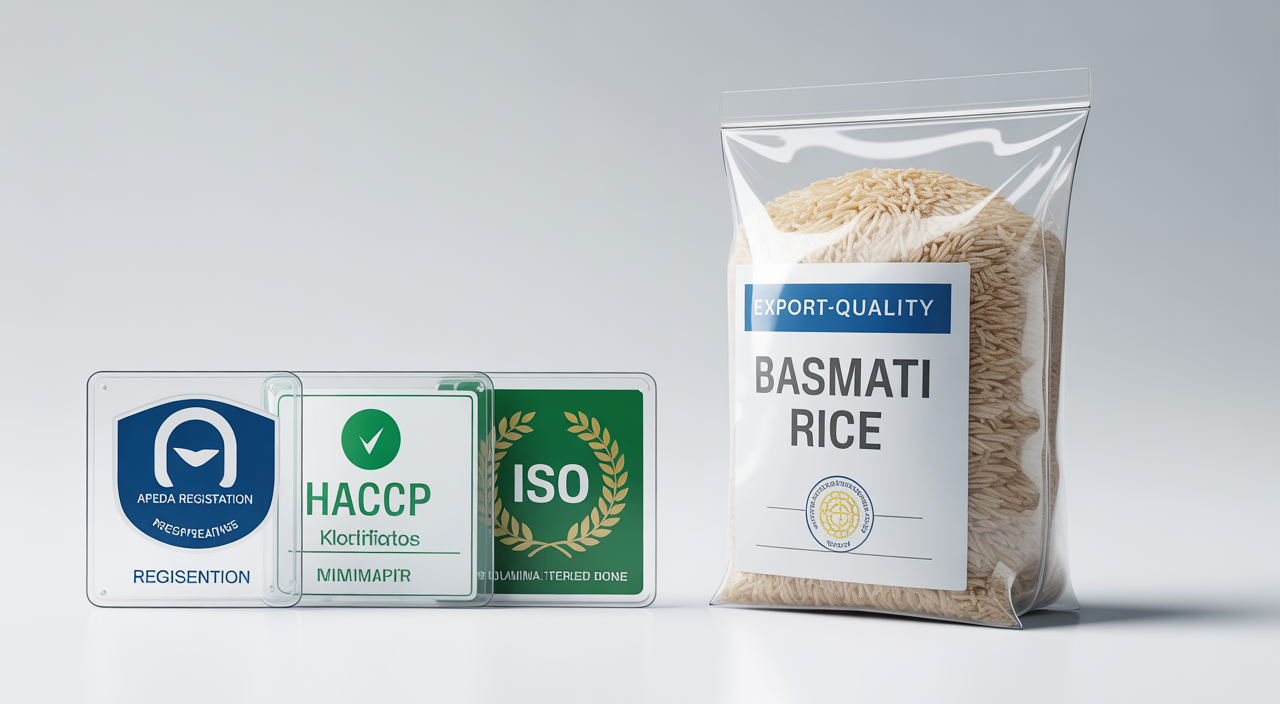
1. APEDA registration
For Indian basmati rice export, APEDA registration shows the exporter is recognized by the government agency that oversees agricultural exports. It signals basic compliance with quality and documentation standards.
2. Food safety standards
Look for global food safety systems such as HACCP-style controls and ISO-based food safety management. These standards reduce the risk of contamination and help maintain uniform quality across batches.
3. Local food licenses and lab tests
Exporters should comply with Indian food regulations and be able to share regular lab test reports. For you, this means smoother customs clearance and stronger confidence when marketing “premium Indian basmati” in your own country.
Export Procedure And Documentation In Simple Steps
Even the best rice is useless if the paperwork is weak. A reliable basmati rice bulk supplier handles export formalities smoothly so your goods reach on time and without penalties.
- Order confirmation with agreed price, grade, broken percentage, packaging, and Incoterms (for example, FOB or CIF).
- Production and packing according to your brand or private label, including bag size, material, and design.
- Quality inspection before loading, with reports on moisture, broken, and foreign matter.
- Export documentation, which usually includes:
- Commercial invoice and packing list
- Certificate of origin
- Phytosanitary certificate
- Bill of lading or airway bill
- Test reports if required by your customs
- Shipping and tracking with clear timelines and real-time updates.
Professional exporters know basmati rice export documentation for major markets well and guide you on any country-specific rules. For more on how technology can simplify global trade workflows, you can read about using digital tools to manage complex processes.
Farm-To-Fork: How Source And Aging Affect Quality
For serious buyers, origin is not just a story; it affects cooking results. Many of the best exporters work directly with farmers in basmati-growing belts of North India, where soil and climate support thin, aromatic grains.
Farming and procurement
Good suppliers use strict procurement standards, avoiding mixed varieties and off-spec paddy. This protects purity and prevents random grain sizes in the final product.
Aging and storage
Aged basmati is stored in clean, dry warehouses with controlled ventilation. This slow aging process reduces moisture, enhances aroma, and improves cooking length. When you specify aged export quality basmati rice, you are paying for this extra time and care.
Pricing, MOQ, And Logistics For Buyers
For importers and distributors, price and logistics are as important as fragrance. While rates change with the harvest and global market, a few points stay constant.
Minimum order quantities (MOQ)
Most exporters set MOQ at one full container load (FCL), usually 20 feet or 40 feet. Some may support mixed varieties in the same container for new buyers.
Bulk basmati rice price per kg
Prices vary by grade, broken percentage, and aging. Extra-long, double-polished, aged rice in premium packaging will cost more, but often offers stronger margins when sold as a high-end product.
Shipping routes and lead times
Transit time depends on your port. Factor in:
- Production and packing time (often 10–20 days)
- Port handling and customs at origin
- Sea transit, which can range from 7 to 35 days based on destination
How Indian Investors And Traders Can Approach This Opportunity
For Indian investors exploring the food export space, basmati can be a strong long-term play. Demand for high-grade wholesale basmati rice is stable in many regions, and buyers reward consistency with repeat orders.
Success often comes from combining reliable sourcing with smart market research, branding, and digital outreach to overseas buyers. If you plan to build a career or side business in this space, it helps to understand how technology and learning can speed up your journey. Resources such as practical guides to learning modern tools can support your growth as an exporter.
Why A Strong Supplier Relationship Matters
For importers, the “best basmati rice exporter” is not always the lowest-priced one. The real value is in:
- On-time shipments during peak seasons
- Stable quality across multiple years
- Transparent communication on market trends and harvest updates
- Support with private label and marketing claims in your region
When both sides treat the partnership as a long-term relationship, everyone wins: farmers, exporters, importers, and end consumers.
FAQs About Export Quality Basmati Rice
Q1. How can I verify export quality before placing a large order?
Answer: Start by requesting recent lab reports showing moisture, broken percentage, and impurity levels. Ask for details on grain length and aging period, and request cooking samples to test aroma and elongation in your own kitchen or test lab. Finally, verify certifications and check at least one reference from an existing overseas buyer.
Q2. What packaging options are best for international markets?
Answer: Most buyers choose 5 kg, 10 kg, or 20–25 kg bags in either woven fabric or laminated pouches. For retail, laminated pouches with strong printing give better shelf appeal and protection from moisture. For food service and bulk buyers, larger sacks may be more economical, as long as they are strong, clean, and properly labeled with origin, grade, and production details.
Q3. Does aged basmati really make a difference to my customers?
Answer: Yes. Aged rice usually cooks longer, stays non-sticky, and carries a richer aroma, which many restaurants and premium retailers value. While it costs slightly more, the improved plate presentation and customer satisfaction often support higher selling prices and better brand loyalty.