
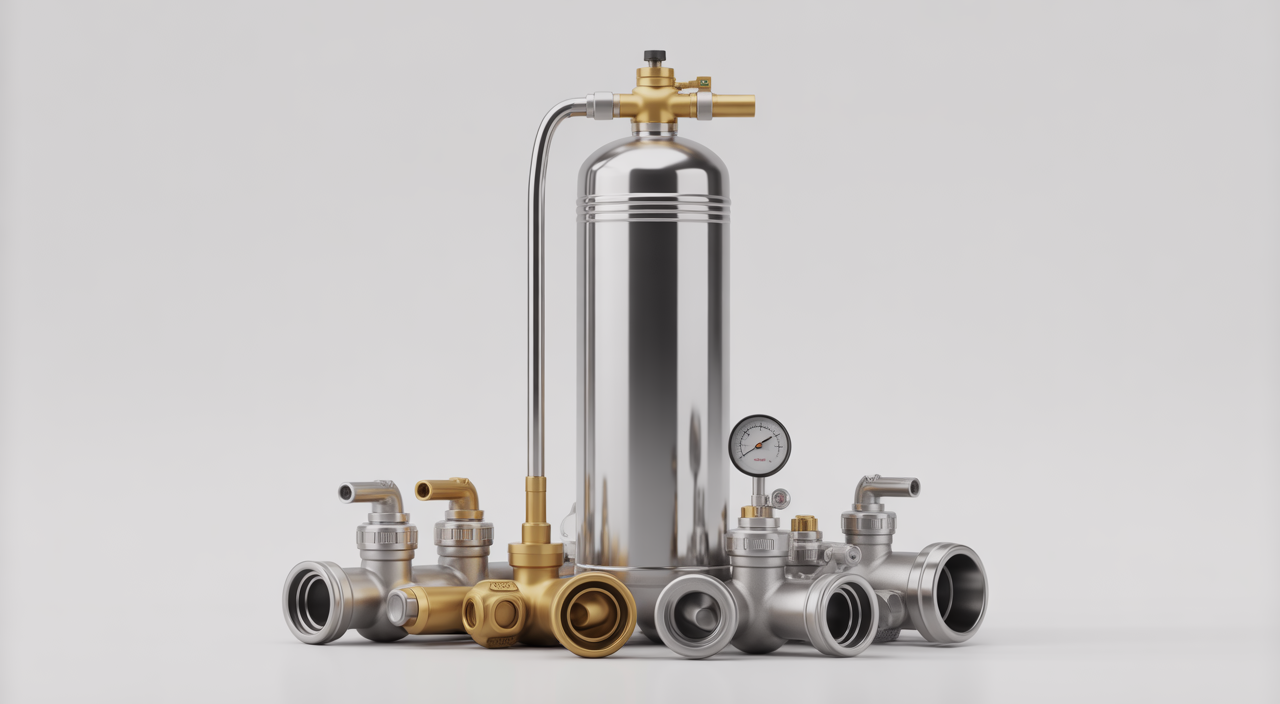
fire suppression system service Los Angeles is more than a check box. If you own a restaurant, warehouse, or a multi-tenant building in LA, regular service keeps people safe and assets protected. This short guide explains the steps, rules, and choices in plain language for busy owners and investors.
Why regular service matters in LA
Los Angeles has specific fire code requirements and routine inspections are required by local authorities. Well-maintained systems reduce downtime and avoid fines. For Indian investors with properties in Santa Monica or Downtown LA, this means steady cash flow and better resale value.
Types of suppression systems you will see
Common systems include wet chemical systems for kitchens, CO2 systems for mechanical rooms, and clean agent systems for sensitive equipment. Each type works differently. Wet chemical smothers grease fires, while clean agents protect electronics without leaving residue.
Key components and simple checks
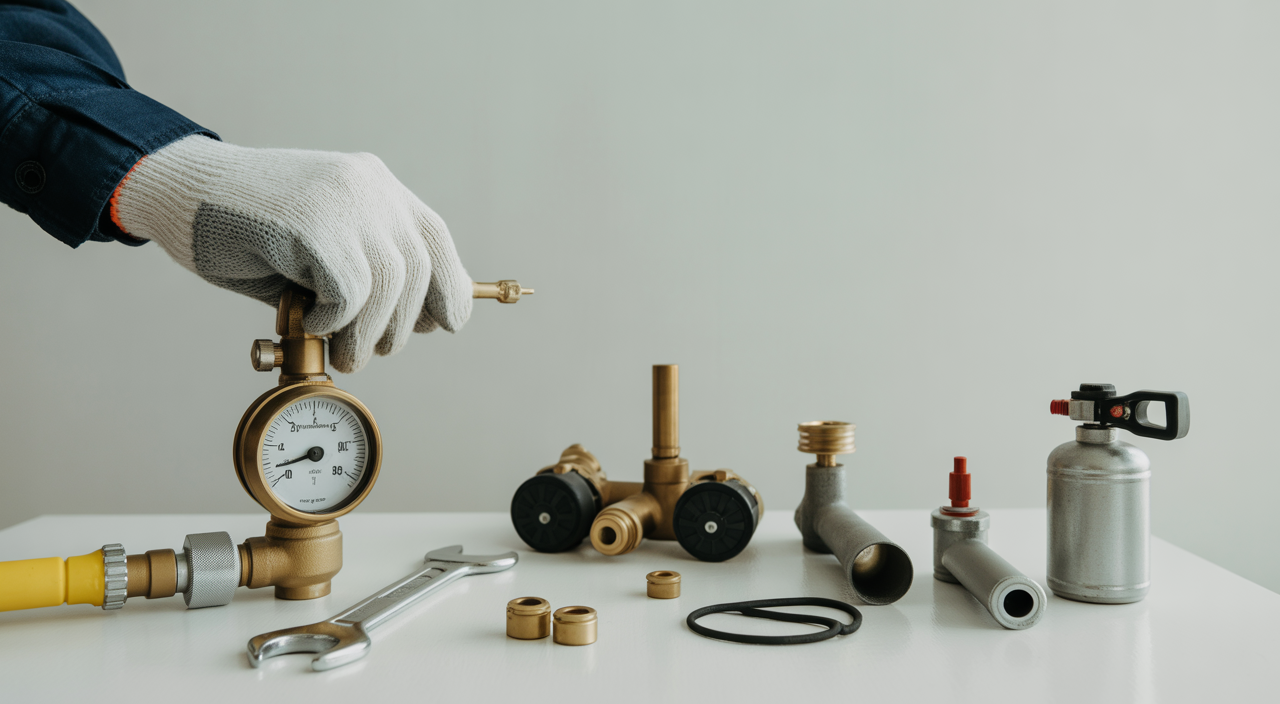
Every system has tanks, valves, nozzles, detectors, and a control panel. Regular checks confirm pressure, seals, and that nozzles are clear. An easy inspection checklist helps your facility manager spot issues before they become costly.
LA codes and national standards
Service teams follow national fire safety standards and local Los Angeles rules. Tests like routine NFPA 25 testing are common. Make sure your provider logs tests, keeps permit-ready records, and can answer local permit questions quickly.
The complete service lifecycle
Think of service as four steps: initial assessment, installation or upgrade, scheduled inspections, and repairs or emergency response. A good provider gives a written plan and a calendar of annual or semi-annual tasks. This predictable schedule is essential for hotels and restaurants.
Inspection and testing schedule
Most systems need an annual full inspection and more frequent visual checks. Kitchen hood suppression systems often require semi-annual service. Your service provider should provide a suppression system inspection checklist and clear logs for auditors.
Repairs and emergency support
Look for 24/7 fire protection support and fast on-site response. Emergency repairs often prevent closure and lost revenue. Ask your vendor about typical response times and spare parts availability in the LA area.
Typical costs and factors that affect pricing
Costs depend on system type, size, and building access. A simple annual inspection will cost less than a full system overhaul. For investors, consider the cost of downtime and potential fines when calculating return on investment.
How to choose the right provider
Check credentials, years of service, local permit experience, and client references. Ask for proof of compliance with standards and clear warranties. If you prefer digital records, ask how they deliver reports and maintenance logs.
Questions to ask before you sign
- What certifications and insurance do you carry?
- How do you handle permits and local inspections?
- Do you provide a written maintenance schedule and emergency hotline?
Why documentation matters for investors
Clear records help during audits, refinancing, or sale. They also reduce insurance premium surprises. If you own properties from overseas, well-kept logs give peace of mind to both tenants and lenders.
Technology and service efficiency
Modern providers use monitoring tools and digital logs to track system health. If you want to learn how technology improves service delivery, read about how technology plays a role in modern operations. For website and portal reliability that supports real-time service updates, see tips on improving online performance.
Simple checklist before hiring a company
- Verify licenses and insurance.
- Confirm familiarity with LA fire codes.
- Ask for sample reports and an inspection checklist.
- Review emergency response time and parts availability.
Next steps and a friendly reminder
Schedule a full assessment if you have not had one in the past 12 months. A proactive visit can spot small problems early. For investors, this small step can protect revenue, tenant safety, and long-term value.
FAQs
How often should a commercial kitchen suppression system be serviced?
Most kitchen hood systems need a service every six months. Visual checks may be monthly depending on use. Always follow the written schedule from your service provider.
Do I need a permit for installing or modifying a system in Los Angeles?
Yes. Installation or major changes typically require local permits and inspections. A qualified provider should handle permit filing and coordinate inspections with local authorities.